
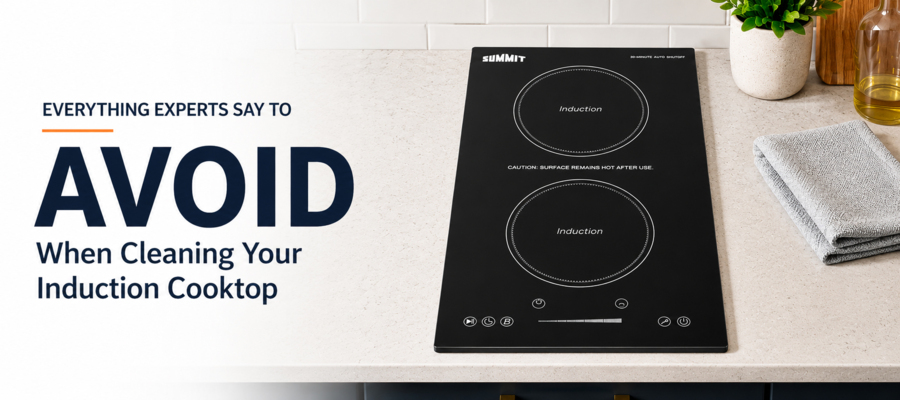
From New England down to sunny San Diego, more and more homeowners, property managers, and landlords are transitioning from gas cooking to greener induction cooking.
Induction cooktops are appearing in kitchens across the country, thanks in part to their sleek, contemporary designs and easy-to-use controls. Another huge appeal is the cleanability compared to gas, coil, or radiant cooktops; induction cooktops are much easier to clean.
Induction Vs. Other Cooktops
While gas and electric cooktops are familiar to most homeowners, induction cooking is still relatively new to many people. Understanding how it differs from traditional electric cooking can help explain why it's becoming so popular.
Where they differ comes down to how each provides heat. Induction cooktops use electromagnetic heating, generating heat inside your cookware for more efficient cooking, less energy waste, faster heating, and a safer cooking experience.
With induction cooktops, the heat is confined to the cookware, not the cooking zone, meaning decreased risks of baked-on messes that you get on radiant burners, where the burner itself is hot, and anything spilling onto it can burn
What to Avoid
Although induction cooktops are durable, the smooth glass cooking surface requires a little extra care. Avoiding these common mistakes can help prevent scratches, stains, and unnecessary repairs.
Tools to Avoid
Skip any and everything abrasive; these tools will scratch and dull the ceramic glass surface, including:
- Steel wool
- Scouring pads
- Wire brushes
- Razor blades (unless specifically recommended by your manufacturer for removing hardened residue)
- Abrasive scrubbing powders
Use: soft microfiber cloths, non-abrasive sponges, or cleaning pads designed for ceramic glass.
Cleaners to Avoid
Even if it’s been part of your tried-and-true cleaning regime, remember not every household cleaner belongs on your cooktop.
Avoid using:
- Bleach
- Ammonia-based cleaners
- Oven cleaners
- Glass cleaners containing harsh chemicals
- Abrasive powdered cleaners
Choose instead ceramic or induction cooktop cleaner, mild dish soap diluted with warm water, white vinegar for removing light grease or fingerprints.
Induction Cleaning Tip: Always allow the surface to cool before applying any cleaning solution unless the manufacturer specifically instructs otherwise.

3 Habits to Avoid
Put simply, the wrong kitchen cleaning habits can shorten the life of your induction cooktop.
1. Storing Pots or Pans on the Cooktop
Using the cooktop as extra storage increases the chance of scratches, accidental impacts, or turning on a burner unintentionally.
2. Heating Empty Pans
Empty cookware can overheat very quickly on an induction surface, potentially damaging both the cookware and the cooktop.
3. - Cleaning While Food Is Still Burning
Instead of scrubbing aggressively, allow the surface to cool slightly before cleaning. Most spills wipe away easily once they've had a chance to loosen.
How Summit Can Help
Whether you're replacing a radiant cooktop or switching from gas, Summit offers one of the industry's broadest selections of space-saving induction cooking appliances.
Our collection includes a variety of induction cooktops and induction ranges, all designed for apartments, condominiums, accessory dwelling units (ADUs), tiny homes, and other kitchens where space and energy efficiency matter.
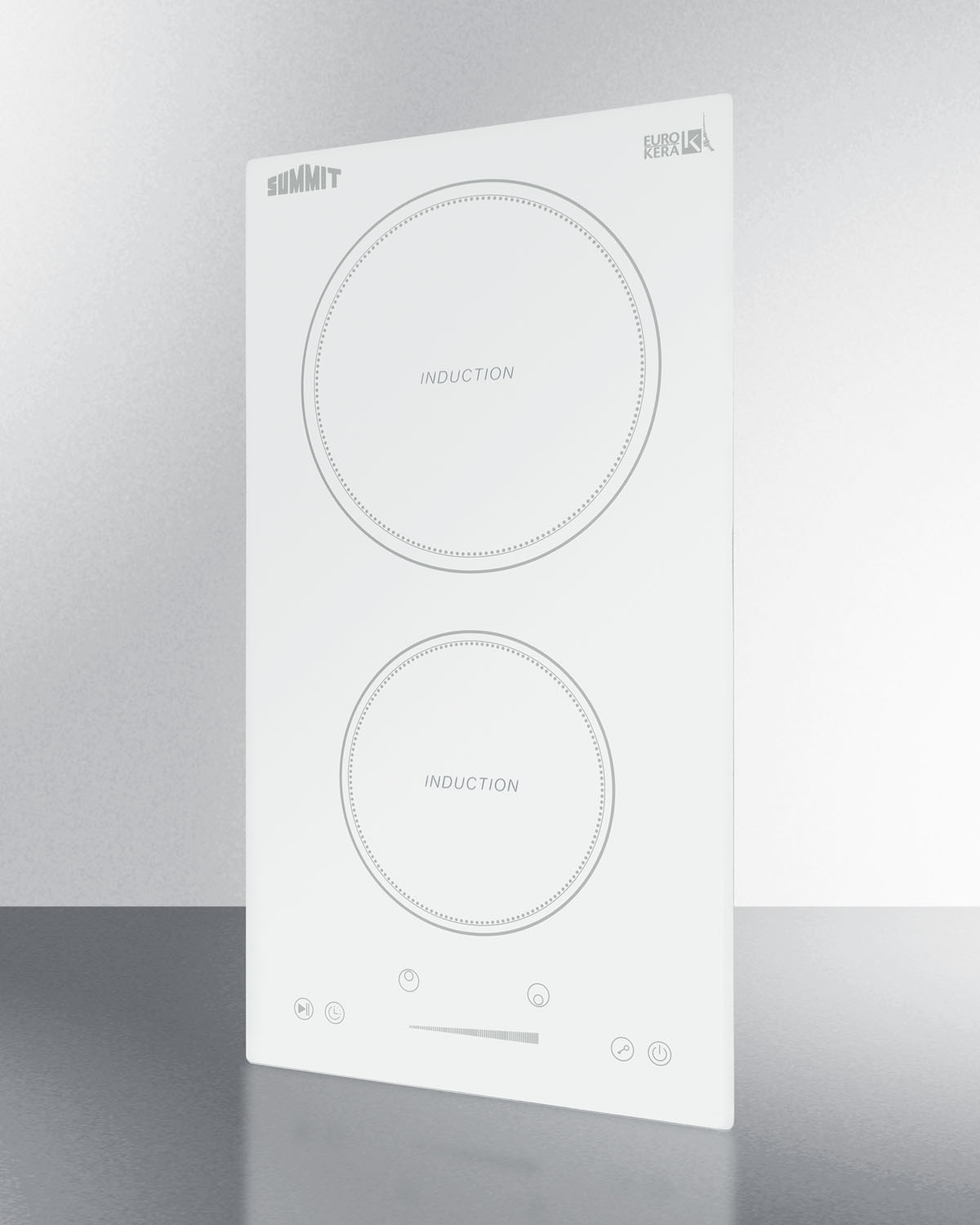
All of Summit’s induction models feature smooth ceramic glass surfaces that make cleanup simple while delivering the fast, responsive cooking performance induction is known for.
If you're ready to enjoy cleaner cooking, easier maintenance, and greater energy efficiency, explore Summit's growing lineup of induction cooking appliances.